Insects & Bugs
Why Do Flies Rub Their Hands? The Real Reason Behind the Habit
Flies rub their front legs together to clean them. Their feet carry taste sensors and sticky pads, and both work better when they're free of dust and grime.
Science-backed answers to why animals do what they do: cats, dogs, birds, horses and wildlife, explained by the WhyTails team.
Insects & Bugs
Flies rub their front legs together to clean them. Their feet carry taste sensors and sticky pads, and both work better when they're free of dust and grime.
Small Pets
Mother hamsters may eat some pups when stressed, disturbed, short of food or caring for weak young. A quiet, undisturbed nest and a good diet lower the risk.
Reptiles & Amphibians
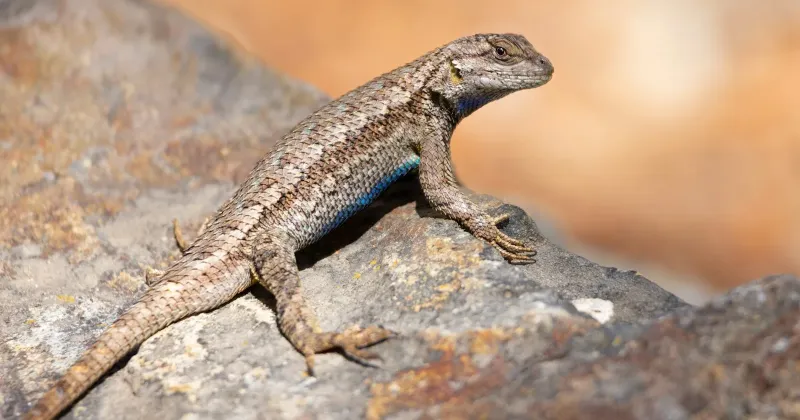
Lizards do push-ups to talk. The bobbing claims territory, shows off color to mates and rivals, and can even tell a hunting snake that the lizard is fit enough to escape.
Ocean & Aquatic Life
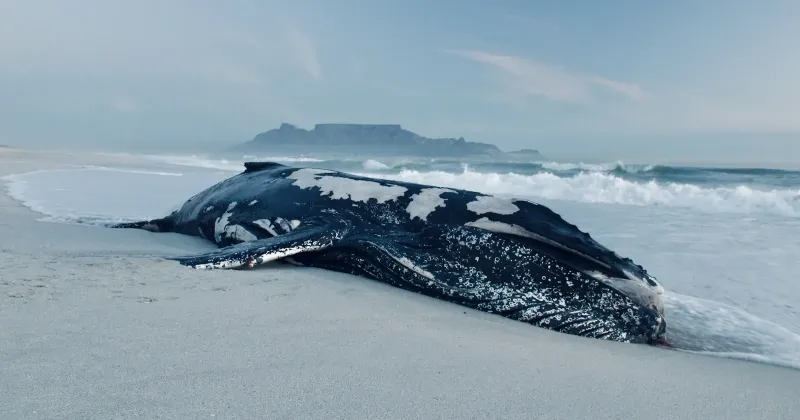
Dead whales can burst because decay gases build up inside a body sealed by tough skin and thick blubber. Most explosions happen when people move or cut the carcass.
Cats
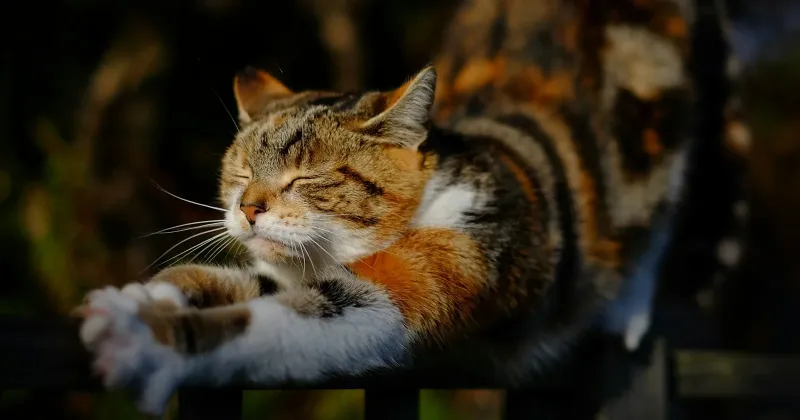
Cats make biscuits because kneading starts as a nursing reflex in kittens. Adult cats keep it as a sign of comfort, a way to leave scent and a good stretch.
Dogs
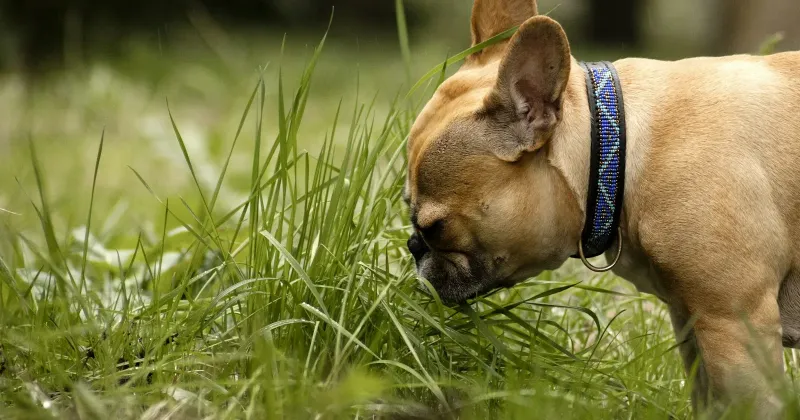
Grass eating is common in healthy dogs and rarely means they feel sick. Instinct, fiber, boredom and plain liking it are the leading explanations.
Dogs
Dog licks start as a puppy instinct and grow into greetings, affection and requests for attention. Sometimes licking signals stress, nausea or an itch.
Dogs
Eating poop is common in healthy dogs and probably comes from wolf ancestors keeping dens clean. Rule out medical causes first, then keep stool out of reach.
Cats
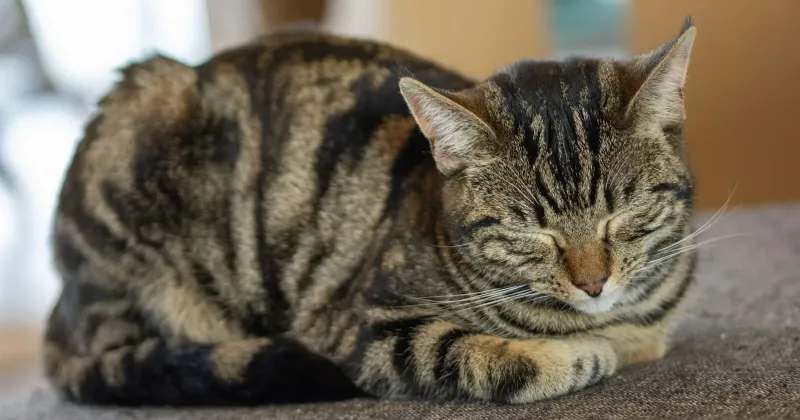
Cats sleep about 12 to 16 hours a day because they are built to save energy for short bursts of hunting. Kittens and senior cats sleep even more.
Cats
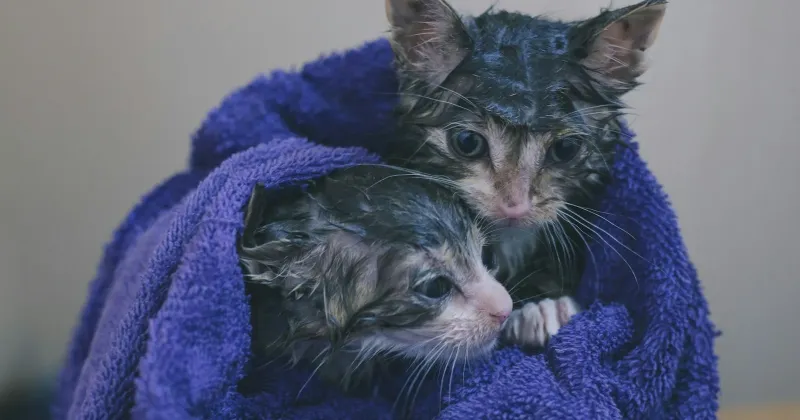
Most cats dislike water because their ancestors lived in dry country, wet fur gets heavy and cold, and baths take away their control. A few breeds enjoy a swim.
Cats
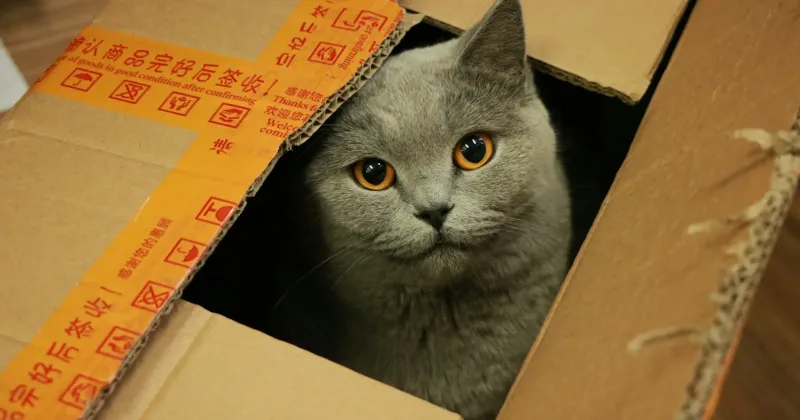
Cats like boxes because enclosed spaces make them feel safe. In shelter studies, hiding boxes helped stressed cats settle faster, and cats seem drawn to square outlines too.
Animal Comparisons
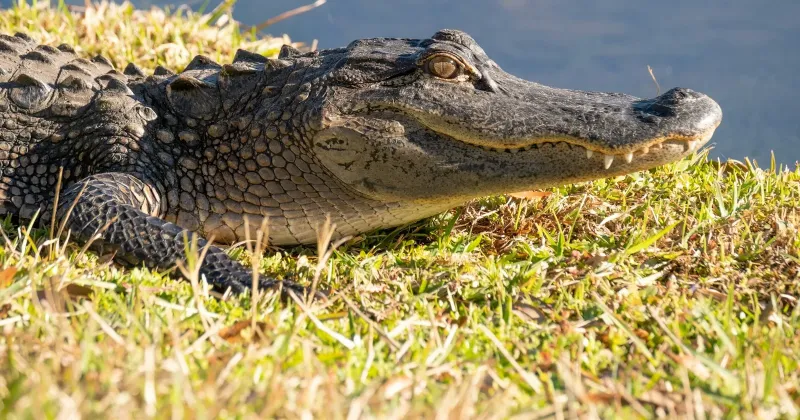
Alligators have broad U-shaped snouts and hide their lower teeth. Crocodiles have narrower V-shaped snouts, a toothy grin and salt glands that let them live in salt water.