Wildlife
Where Do Polar Bears Live? On Arctic Sea Ice, in Five Countries
Polar bears live across the Arctic on sea ice in five countries: the US, Canada, Russia, Greenland and Norway. They hunt seals from the ice and move ashore when it melts.
What foxes, squirrels, deer, bears and raccoons eat, where wild animals live and why they behave as they do. Wildlife questions answered with research.
Wildlife
Polar bears live across the Arctic on sea ice in five countries: the US, Canada, Russia, Greenland and Norway. They hunt seals from the ice and move ashore when it melts.
Wildlife
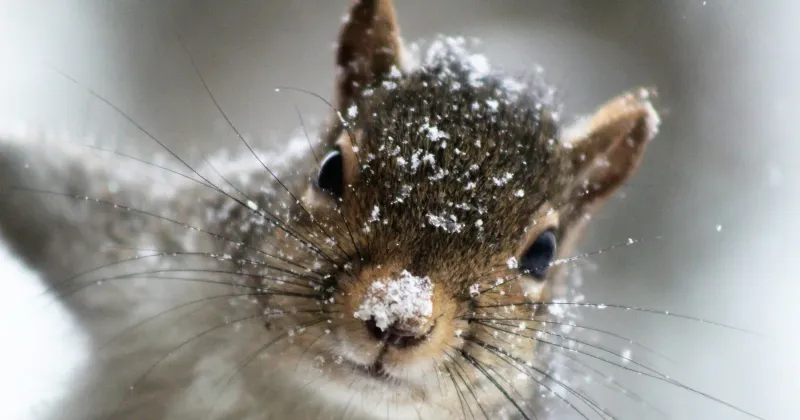
Tree squirrels like gray and red squirrels don't hibernate. They live on stored food and warm nests. Ground squirrels, marmots and woodchucks hibernate for months.
Wildlife
Most wild squirrels die young, so a gray squirrel's life expectancy at birth is only 1 to 2 years. Those that survive to adulthood often live around 6 years.
Wildlife
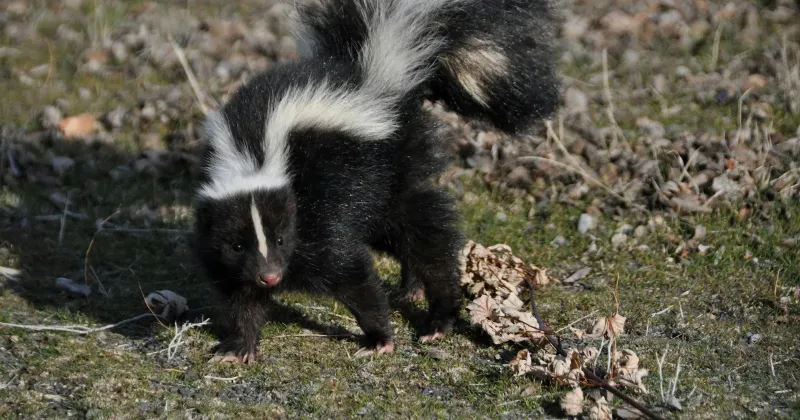
Skunks are omnivores that eat mostly insects and grubs in summer and more mice, voles and eggs in winter, with fruit, carrion and garbage in between.
Wildlife
Lions eat mostly large hoofed animals such as zebra, wildebeest, antelope and buffalo, and they also take a lot of food from other predators.
Wildlife
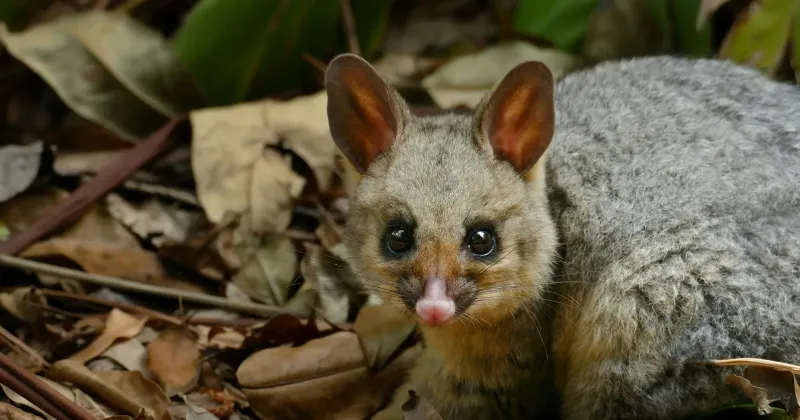
Possums (Virginia opossums) are omnivores and scavengers that eat insects, worms, carrion, small animals, fruit and, in towns, garbage and pet food.
Wildlife
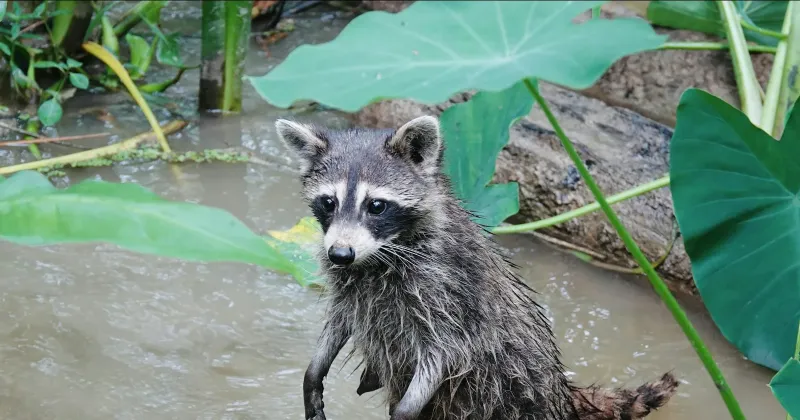
Raccoons are omnivores that eat crayfish, frogs, insects, fruit, acorns and eggs in the wild, and garbage, pet food and bird seed in towns.
Wildlife
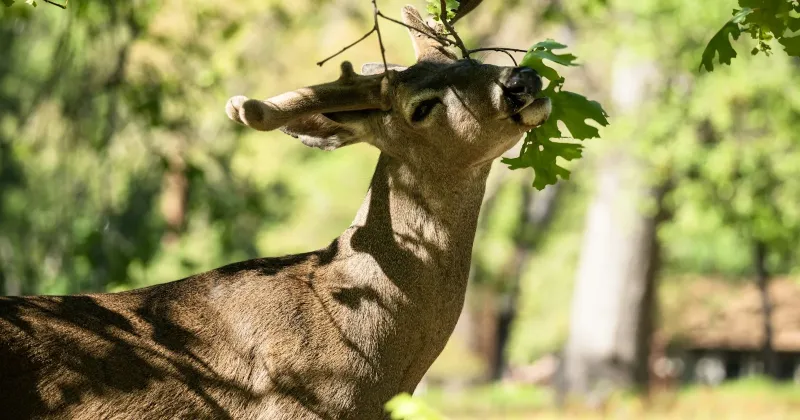
Deer are plant eaters that browse leaves, twigs, acorns, fruit and crops, switching foods with the seasons thanks to a four-chambered stomach.
Wildlife
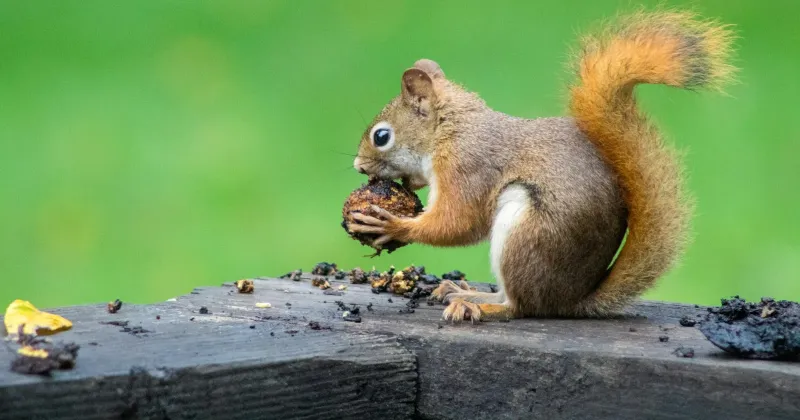
Tree squirrels eat mostly nuts, seeds, buds, fruit and fungi, and add insects, bird eggs and even bones. They bury thousands of nuts to get through winter.
Wildlife
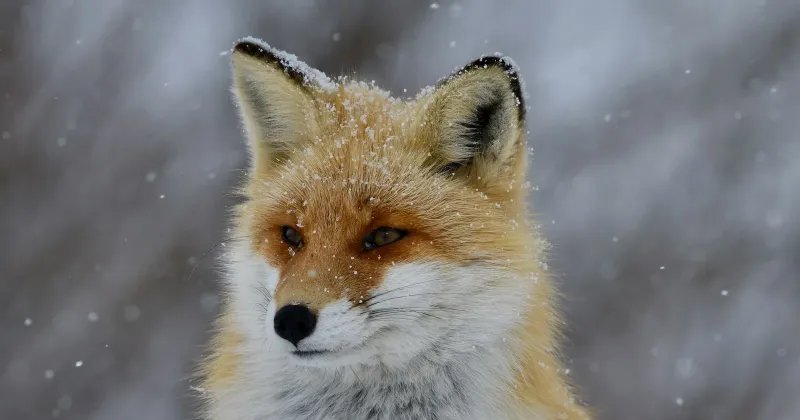
Foxes are omnivores that live mostly on small rodents and rabbits, then fill gaps with insects, fruit, birds, carrion and human scraps.
Wildlife
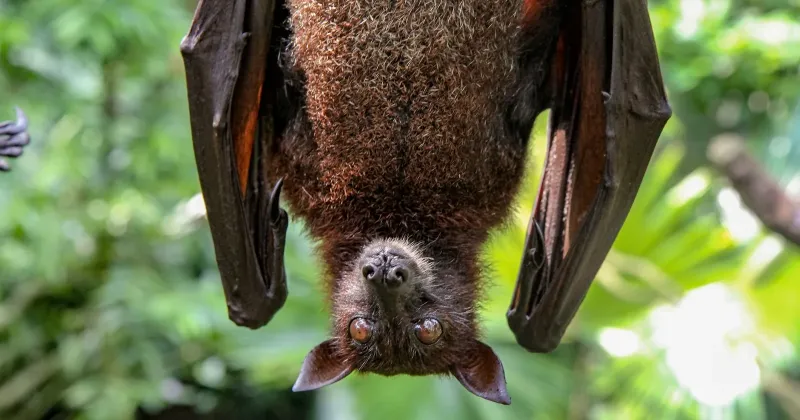
Bats hang upside down so they can drop straight into flight, rest out of reach of predators, and stay put thanks to a tendon lock in their feet.