Dogs
Can Dogs Eat Watermelon? Yes, Minus the Seeds and Rind
Yes, dogs can eat watermelon flesh in small pieces. Take out the seeds and rind first, and keep it to a treat-sized share of the day's calories.
Science-backed answers to why animals do what they do: cats, dogs, birds, horses and wildlife, explained by the WhyTails team.
Dogs
Yes, dogs can eat watermelon flesh in small pieces. Take out the seeds and rind first, and keep it to a treat-sized share of the day's calories.
Animal Comparisons
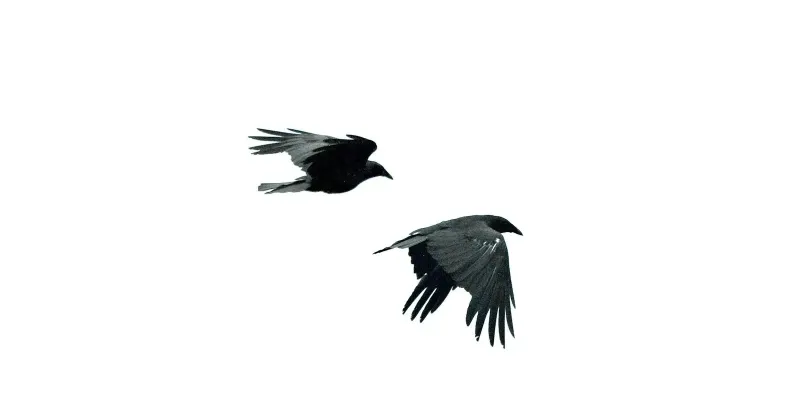
Ravens are much bigger than crows, with wedge-shaped tails, shaggy throats and a deep croak. Crows are smaller, more social and say caw.
Dogs
Dogs can eat apple slices as an occasional treat. Remove the core, seeds and stem first, and skip sweetened applesauce and apple pie.
Dogs
Dogs can eat plain fresh or frozen blueberries in small amounts. They're low in calories, but small dogs can choke and sweetened blueberry foods should be avoided.
Dogs
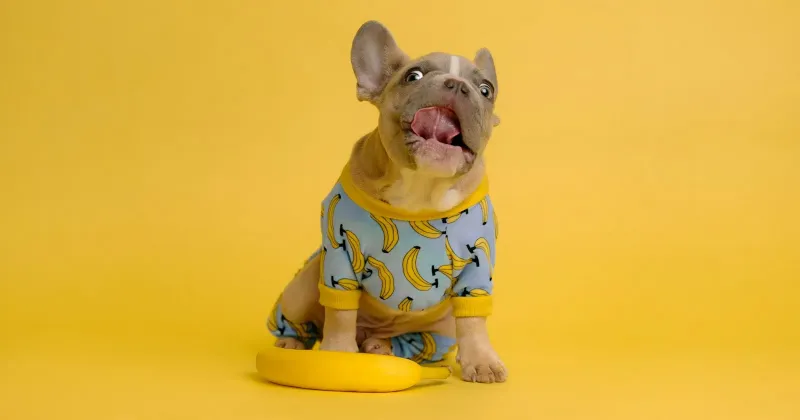
Dogs can eat peeled banana in small amounts as an occasional treat. The peel can cause a blockage, and the fruit's sugar adds up fast.
Dogs
Dogs can eat fresh strawberries as an occasional treat. Wash them, remove the green tops, cut them up and keep portions small.
Cats
Cats purr to signal contentment, to ask for food or care, and to soothe themselves when stressed or hurt. The sound comes from rapid vibrations in the larynx.
Dogs
Dogs howl to make contact over distance, a habit inherited from wolves. Sirens, loneliness, attention seeking, pain and old age can all set it off.
Birds
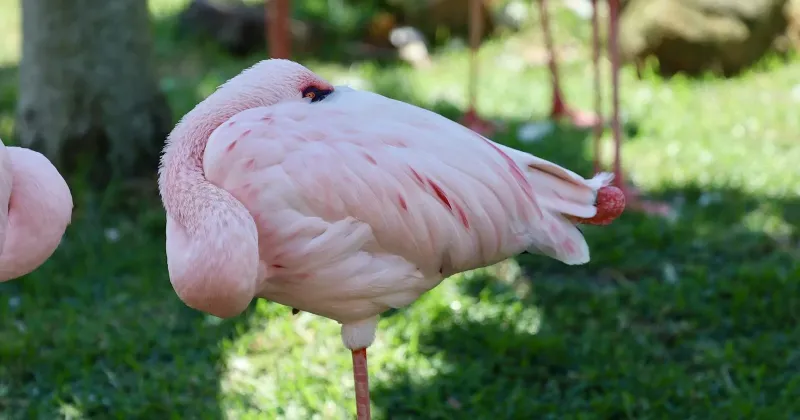
Flamingos stand on one leg because the pose saves body heat and takes almost no muscle effort, thanks to joints that lock into place under the bird's own weight.
Horses & Farm Animals
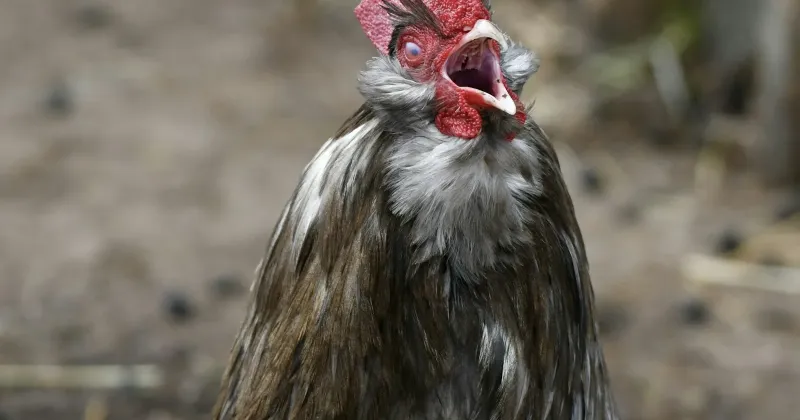
Roosters crow to claim territory and signal rank, and an internal body clock tells them to start before dawn. Lights, sounds and other roosters can set them off later in the day.
Wildlife
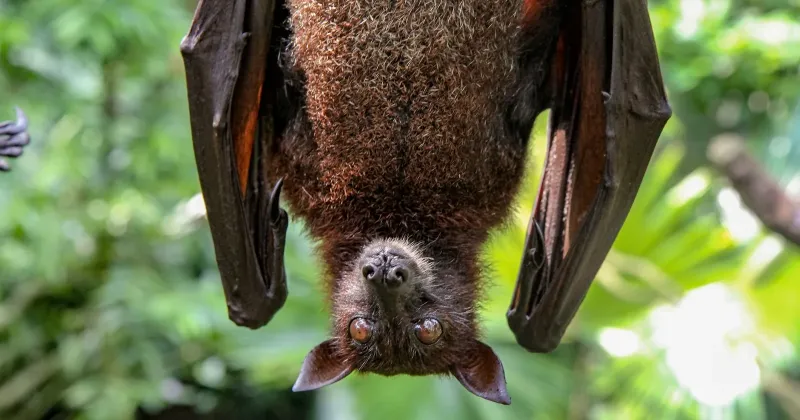
Bats hang upside down so they can drop straight into flight, rest out of reach of predators, and stay put thanks to a tendon lock in their feet.
Animal Comparisons
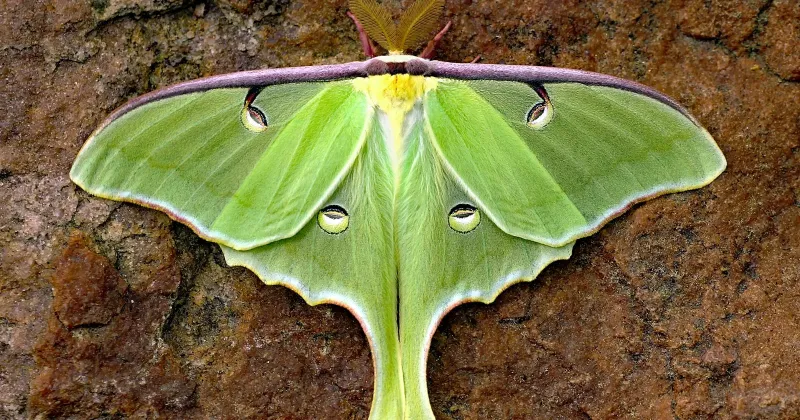
Butterflies have clubbed antennae and fold their wings upright at rest; most moths have feathery or thread-like antennae, rest with wings flat or tented and spin cocoons.