Cats
Can Cats See in the Dark? Not Quite, but Close
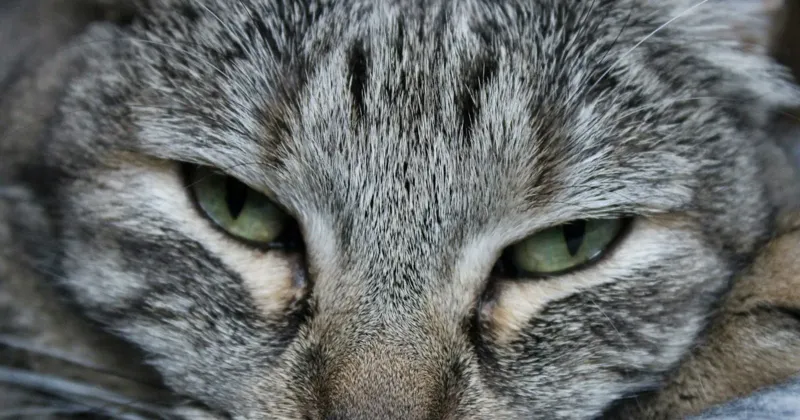
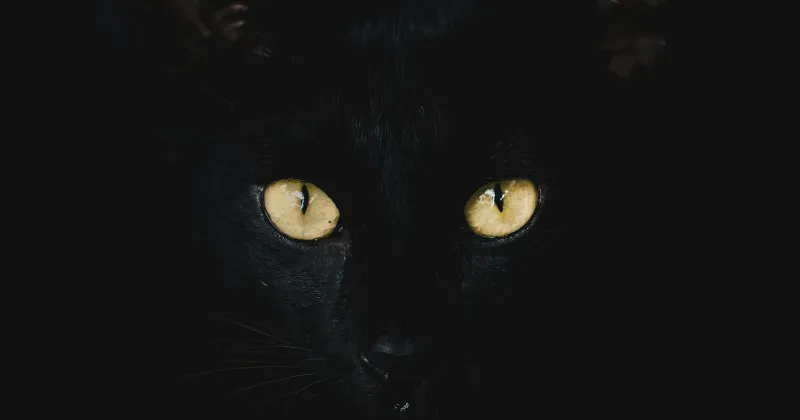
Cats can't see in pitch black, but they see roughly six times better than people in dim light, thanks to extra rod cells, wide pupils and a mirror-like layer in the eye.
Why cats knead, purr, sleep all day and hate water, plus which foods are safe for cats. Clear answers to cat questions, backed by vets and research.
Cats
Cats can't see in pitch black, but they see roughly six times better than people in dim light, thanks to extra rod cells, wide pupils and a mirror-like layer in the eye.
Cats
Cats can eat plain, fully cooked eggs in small amounts as an occasional treat. Raw eggs carry bacteria risks, and seasonings like onion and garlic are toxic to cats.
Cats
Cats lick people mostly to bond and share scent, the way they groom cats they like. Some lick for attention, for the taste of salty skin, or because they feel stressed.
Cats
Cats can have a tiny lick of plain, xylitol-free peanut butter, but it offers them no nutrition. It's high in fat and calories, and meat-based treats are a better choice.
Cats
Cats see mainly blues and yellows, and reds look muted or grayish to them. Their eyes are built for dim light and movement, so color takes a back seat.
Cats
Most pet cats live to somewhere between 12 and 15 years. Large UK vet studies found an average of about 12 years, with crossbred and female cats living a bit longer.
Cats
Cats purr to signal contentment, to ask for food or care, and to soothe themselves when stressed or hurt. The sound comes from rapid vibrations in the larynx.
Cats
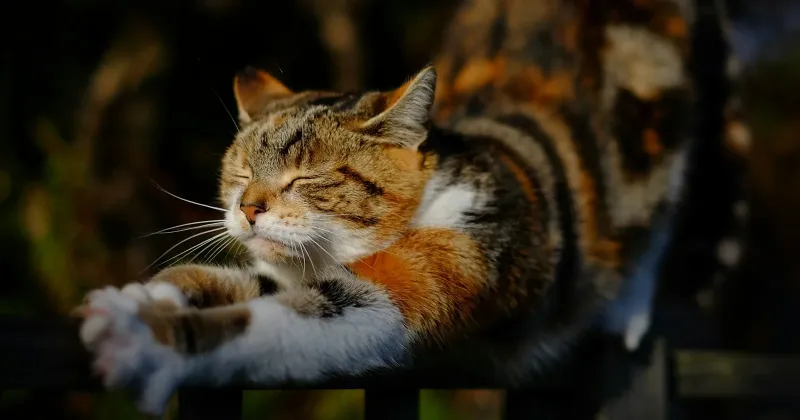
Cats make biscuits because kneading starts as a nursing reflex in kittens. Adult cats keep it as a sign of comfort, a way to leave scent and a good stretch.
Cats
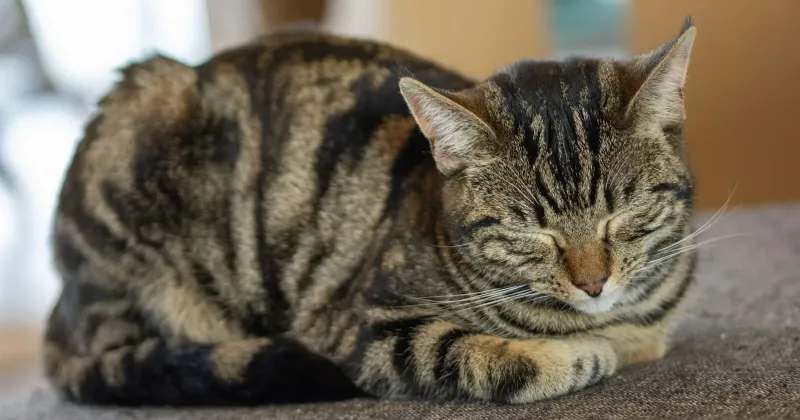
Cats sleep about 12 to 16 hours a day because they are built to save energy for short bursts of hunting. Kittens and senior cats sleep even more.
Cats
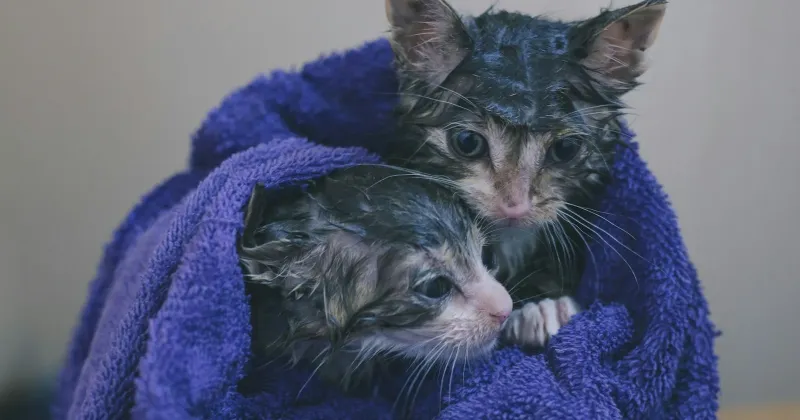
Most cats dislike water because their ancestors lived in dry country, wet fur gets heavy and cold, and baths take away their control. A few breeds enjoy a swim.
Cats
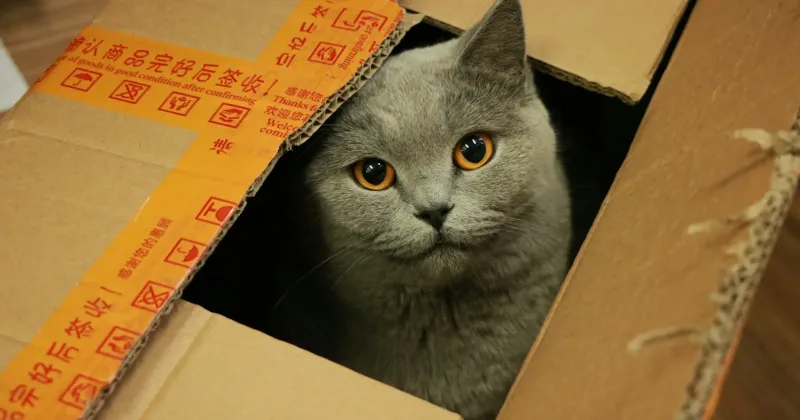
Cats like boxes because enclosed spaces make them feel safe. In shelter studies, hiding boxes helped stressed cats settle faster, and cats seem drawn to square outlines too.