

Most of us met ducks at a park pond with a bag of bread in hand. That's the image many people have of what ducks eat. In the wild, though, ducks eat a far more varied menu of seeds, plants, bugs, snails and even fish.
So what do ducks eat, and why does it change through the year? The answer depends on the species, the season and the shape of the bill. Here's what waterfowl biologists have found, plus what to bring next time you visit the pond.
Quick facts
Wild ducks eat seeds, acorns, berries, plants, insects and shellfish, according to the UK's Canal & River Trust.
Breeding mallards eat mostly animal matter, such as insect larvae, earthworms, snails and freshwater shrimp (Cornell Lab of Ornithology).
Female ducks molting in mid to late winter need 30 to 100% more protein than normal, says Ducks Unlimited.
Most diving ducks in the pochard group feed 1.5 to 6 feet deep and stay under for 10 to 20 seconds (Ducks Unlimited).
The Merck Veterinary Manual warns that diets of only bread, lettuce and corn cause nutritional deficiencies in waterfowl.
What do ducks eat in the wild?
Wild ducks eat a mix of plants and small animals. Ducks Unlimited Canada lists seeds, fish, aquatic plants and invertebrates (animals without backbones, like insects, snails and worms) as their main wild foods.
PetMD, in an article reviewed by veterinarian Sandra Mitchell, describes wild ducks as omnivores that eat small fish, snails, insects, water plants and grass seeds. The Canal & River Trust adds acorns and berries to the list.
The mallard, a regular at park ponds, is a good example. Cornell's All About Birds calls mallards generalist foragers. They eat aquatic insect larvae, earthworms, snails and freshwater shrimp while breeding, then switch largely to agricultural seed and grain during migration. In parks, they happily take handouts from people.
How do ducks find their food?
Ducks feed in a few different ways, and the method shapes what each species eats. Biologists split most ducks into dabblers and divers.
Dabbling ducks, like mallards, feed near the surface. Cornell describes mallards tipping forward in the water, tail up, to reach submerged seeds and plants. They also walk along shorelines picking at plants and small prey on the ground.
Diving ducks swim underwater to feed. Ducks Unlimited says their legs sit far back on the body, which makes them strong underwater swimmers but clumsy on land. Their diets vary by species:
Canvasbacks eat the roots and tubers of sago pondweed, wild celery and duck potato, plus small clams.
Redheads eat muskgrass, sago pondweed and some invertebrates.
Ring-necked ducks eat wild rice seeds, water plants and many aquatic insects.
Scaup are mainly meat-eaters, feeding on tiny crustaceans called amphipods and small clams.
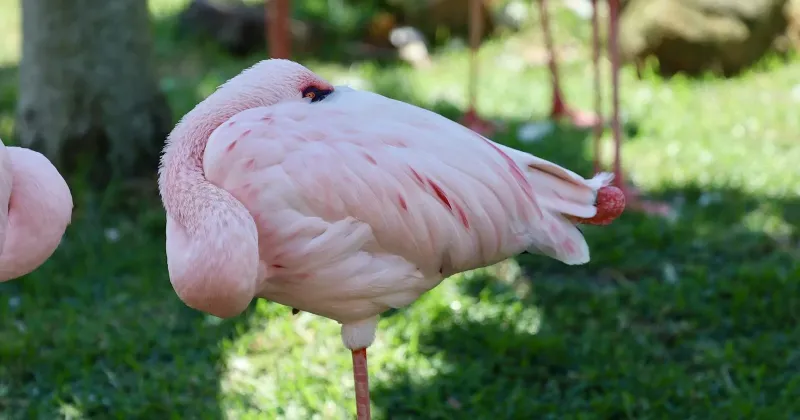
Bill shape helps too. Ducks Unlimited Canada notes that mergansers catch fish with narrow, serrated bills, while northern shovelers scoop up seeds and invertebrates with wide, flat ones. Wading birds have their own odd habits around water, like the one in our post on why flamingos stand on one leg.
Why do ducks eat different foods in different seasons?
Ducks change their diet because their bodies need different nutrients at different times of year. Breeding and molting call for protein, while migration and cold weather call for energy.
Ducks Unlimited biologists Joseph Lancaster and Ryan Askren explain that in winter, ducks eat carbohydrate-rich foods like natural seeds, waste grain, roots and rhizomes (underground stems). Those foods build fat for migration. In spring, nearly all ducks switch toward aquatic invertebrates to get protein and calcium for egg laying.
Species time this differently. Northern pintails eat lots of invertebrates while laying eggs, then go quickly back to seeds. American wigeon eat plants almost all year, shifting to invertebrates only briefly in the breeding season. Ducks Unlimited Canada adds that small ducks like blue-winged teal need protein- and calcium-rich food as soon as they reach their nesting grounds. Big ducks like eiders can carry enough stored energy to lay and tend eggs.
Molting raises the bar again. Many female ducks replace their feathers in mid to late winter, and that molt takes 30 to 100% more protein than usual, Ducks Unlimited says.
What do baby ducks eat?
Ducklings need plenty of protein to grow, more than adult ducks. The Merck manual sets protein for young waterfowl well above the 14 to 17% it gives for adult maintenance diets.
For pet or farm ducklings, vets recommend a commercial starter diet. Veterinarian Hilary Stern of For the Birds suggests a starter with 18 to 20% protein for the first three weeks, then a 14% maintenance diet. The Merck manual gives a range of 25 to 28% protein for waterfowl starter diets up to 8 weeks. The two figures differ, so it's worth asking your own vet.
Growth speed matters. The Merck manual says angel wing, a deformity where the last wing joint twists and flight feathers stick out sideways, is linked to young waterfowl growing too fast. It recommends controlling growth rates to prevent it.
Is bread bad for ducks?
Bread isn't a good food for ducks. It fills them up without giving them the nutrients they need, and leftover bread fouls the water. Sources differ on how harmful a small amount is.
The firmest point of agreement is nutrition. Britannica says bread offers little nutrition and lacks the protein, vitamins and minerals ducks get from their natural diet. A 2021 Full Fact report quotes the RSPB saying birds fed mostly or only bread can develop serious vitamin deficiencies or starve.
Angel wing comes up often. Maine Audubon links it to an unnaturally high-calorie diet in young ducks and calls the condition typically incurable. Britannica and PetMD also connect bread-heavy diets to the deformity.
The water suffers too. The Canal & River Trust says uneaten bread in popular spots causes pollution and attracts rats, which threaten eggs and chicks. It also warns that moldy bread can make birds ill. The Trust does say fresh bread isn't unsafe in itself, so the problem is mostly quantity and waste. Ducks Unlimited Canada goes further and advises against feeding wild ducks at all.
What can you feed ducks instead of bread?
Peas, sweetcorn, oats, lettuce, seeds and rice are good alternatives to bread. These are the six foods the Canal & River Trust recommends.
Frozen peas, thawed first
Sweetcorn, tinned, frozen or fresh
Lettuce or other leafy greens, torn into pieces
Rolled or instant porridge oats
Birdseed or plain seed mixes
Cooked or uncooked rice
Maine Audubon adds cabbage, broccoli, tomatoes and most fruits (but not citrus) to the list, and says to skip popcorn.
Even good treats should stay small. Merck warns that diets of only bread, lettuce and corn lead to deficiencies. For pet ducks, Stern says treats like corn, carrots and greens should make up no more than 5 to 10% of the diet. Pet ducks need a proper duck feed. PetMD notes that ducks need more niacin than chicken feed provides.
Other birds have their own strong food habits. Read how ravens and crows differ, or find out why roosters crow. More bird questions live in our birds section.
Frequently asked questions
What do ducks eat?
Ducks eat seeds, grains, water plants, insects, snails, worms and small shellfish, and some species eat fish. Wild duck diets shift with the seasons, with more invertebrates in spring and more seeds in winter.
What do ducks eat in a pond?
In a pond, ducks eat water plants, seeds, insect larvae, snails and small crustaceans. Dabbling ducks like mallards tip forward to reach food below the surface, while diving ducks swim underwater.
What can you feed ducks?
You can feed ducks thawed frozen peas, sweetcorn, lettuce, oats, birdseed and rice, according to the Canal & River Trust. Offer small, bite-sized amounts so no food is left in the water.
Can ducks eat bread?
Ducks can eat bread, but bread is a poor food for them. Bread has little nutritional value, uneaten bread pollutes water and attracts rats, and diets heavy in bread are linked to deficiencies and angel wing.
What do baby ducks eat?
Baby ducks need more protein than adult ducks. Pet ducklings should get a commercial duck starter feed, and vets recommend higher-protein starter diets for the first few weeks before switching to a maintenance feed.
Do ducks eat fish?
Some ducks do eat fish. Mergansers catch fish with narrow, serrated bills, and wild ducks in general eat small fish along with plants and invertebrates, according to Ducks Unlimited Canada and PetMD.
Sources
What Do Ducks Eat? 6 things you can feed ducks, Canal & River Trust
Mallard life history, Cornell Lab of Ornithology
Understanding Waterfowl: Balanced Diets, Ducks Unlimited
The Big Four: Diving Ducks, Ducks Unlimited
What do wild ducks eat?, Ducks Unlimited Canada
Nutrition in Waterfowl, Merck Veterinary Manual
Care and Feeding of Pet Ducks, For the Birds DVM
Why Is Bread Bad for Ducks?, Encyclopaedia Britannica
Poster claiming bread is healthy for ducks gets its facts in a flap, Full Fact
Do's and Don'ts of Duck Feeding, Maine Audubon



Comments